Call us now :08045801678
 Send Inquiry
 Send Inquiry
Dalia Plant
Price 10000 INR/ Pair
MOQ : 1 , , Pair
Dalia Plant Specification
- Product Type
- Dalia Plant
- General Use
- Food processing
- Material
- Stainless Steel
- Capacity
- 500 kg/hour Kg
- Weight (kg)
- 1500 kg Kilograms (kg)
- Computerized
- No
- Automatic
- Yes
- Control System
- Manual
- Milling System
- Roller Mill
- Voltage
- 380V Biot ( Bi)
- Dimension (L*W*H)
- 5m x 3m x 4.5m Meter (m)
- Feature
- Efficient processing of broken wheat
- Color
- White
- Warranty
- 1 Year
Dalia Plant Trade Information
- Minimum Order Quantity
- 1 , , Pair
- Payment Terms
- Cash in Advance (CID)
- Supply Ability
- 1 , , Pair Per Day
- Delivery Time
- 7 Days
- Sample Policy
- Contact us for information regarding our sample policy
- Main Export Market(s)
- Asia
- Main Domestic Market
- All India
About Dalia Plant
Product details
|
Capacity |
10 - 19,5 - 9,20 - 39 |
|
Use |
Commercial |
|
Capacity (kg/hr) |
100-150,150-200,200-250 |
|
Operation Mode |
Automatic |
|
Design |
Customized |
|
Automatic Grade |
Automatic |
|
After Sales Service |
Yes |
|
Certifications |
ISO9001-2008 |
|
Warranty |
12 months |
|
Condition |
New |
|
Installation Services Required |
Yes |
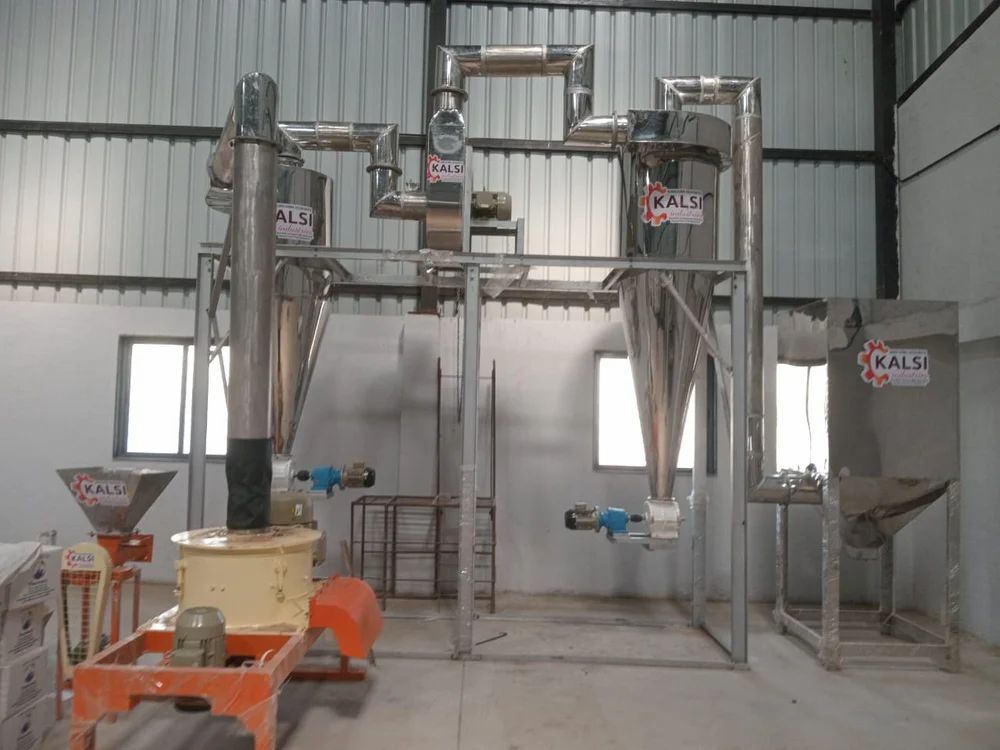
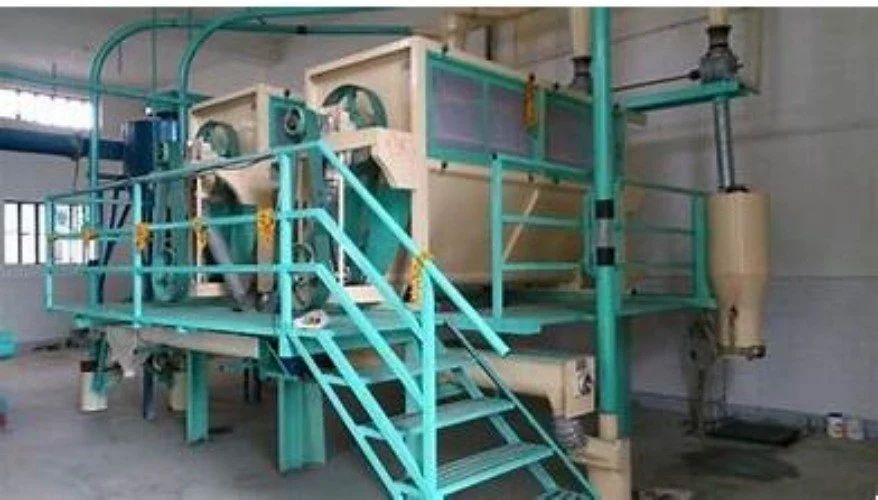
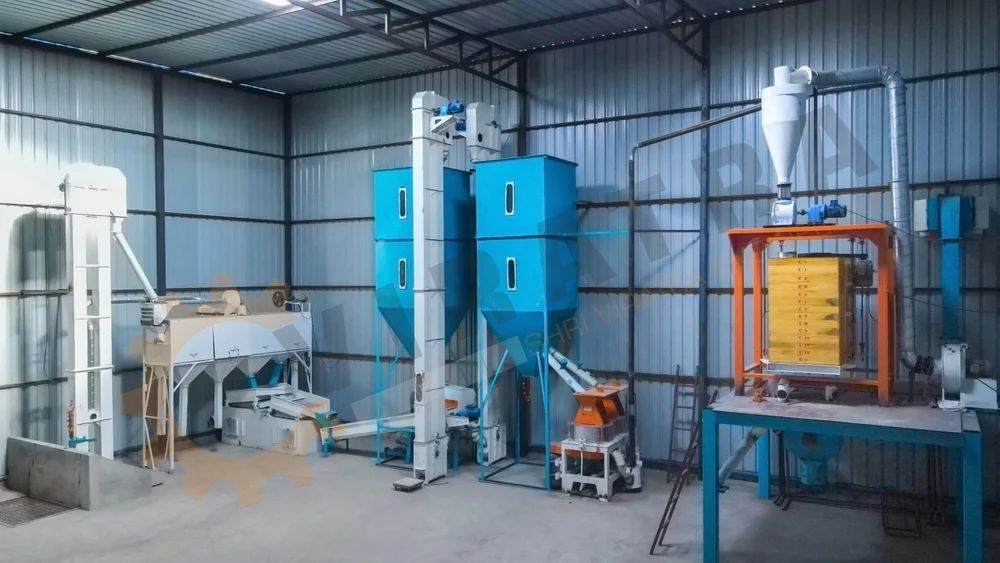
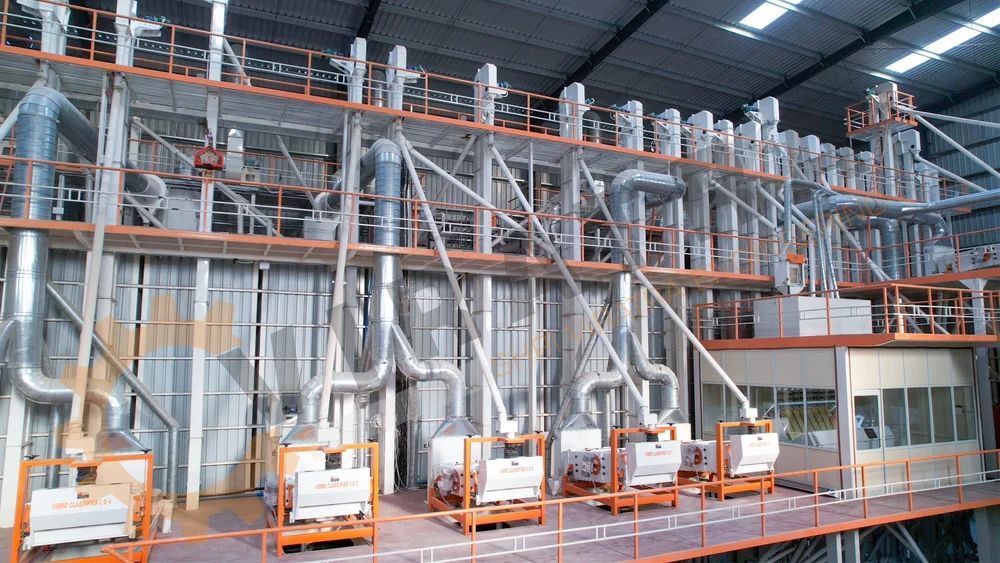
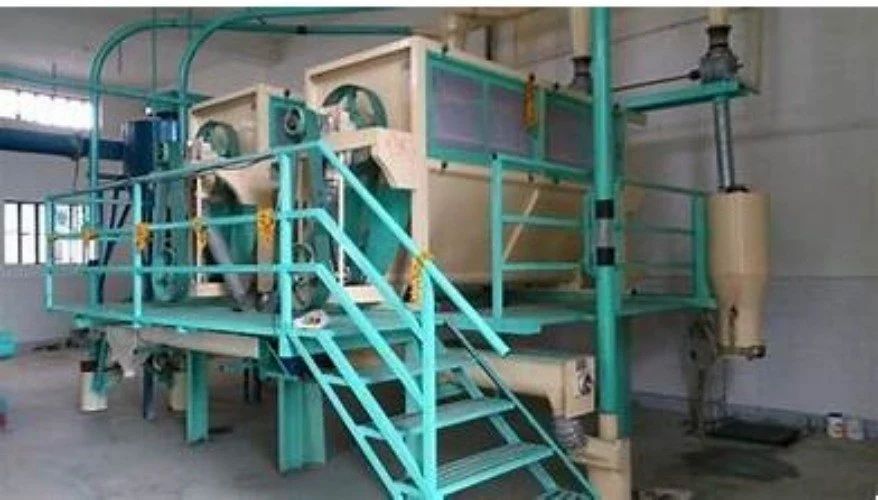
A Dalia plant, also known as a broken wheat or cracked wheat processing plant, is a facility that processes wheat into Dalia, a popular breakfast food in India. Here's an overview of the plant's description
Key Features
Production Capacity: Dalia plants can have varying production capacities, ranging from small-scale to large-scale industrial production.
Machinery: The plant consists of various machines, including:
Cleaning and Grading Machine: Removes impurities from raw wheat.
Conditioning Machine: Prepares the wheat for processing.
Breaking or Crushing Machine: Breaks the wheat into smaller pieces (Dalia).
Sieving Machine: Separates Dalia into different sizes.
Packaging Machine: Packs Dalia in different quantities.
Plant Requirements
Land and Building: The plant requires a suitable location with adequate space for production, storage, and office areas.
Manpower: Skilled labor, such as machine operators and quality control personnel, and unskilled labor, like helpers for cleaning and sorting, are necessary.
Utilities: The plant needs a reliable supply of electricity and water for processing and cleaning.
Benefits
Nutritious Product: Dalia is a nutritious breakfast food rich in fiber, protein, and other essential nutrients.
Market Demand: Dalia is widely consumed in India, making it a profitable venture.
Versatility: Dalia can be processed into different sizes and types, catering to various consumer preferences
Versatile Food Processing Solution
The Dalia Plant is engineered for the automatic, efficient milling of broken wheat, catering to the needs of the food processing industry. Its high-capacity system is capable of handling up to 500 kg per hour, making it ideal for exporters, manufacturers, and suppliers in the sector. Built with stainless steel, the plant ensures strength, hygiene, and longevity.
User-Friendly Manual Control
Despite its automated milling system, the Dalia Plant features a straightforward manual control system, allowing operators to easily manage the production process. This design ensures that the plant is both accessible for users and flexible enough to adapt to various operational requirements.
FAQ's of Dalia Plant:
Q: How does the Dalia Plant process broken wheat efficiently?
A: The Dalia Plant uses a roller mill system that automatically crushes and grinds wheat into dalia with minimal manual intervention. The stainless steel construction ensures durability and hygienic processing conditions.Q: What is the capacity and main use of the Dalia Plant?
A: The plant is designed to process up to 500 kg of broken wheat per hour, making it suitable for large-scale production in food processing industries.Q: When should I consider using a Dalia Plant for my operations?
A: You should consider this plant when you need efficient, high-volume processing of broken wheat (dalia), especially if your facility seeks to scale up production and require reliable output.Q: Where can the Dalia Plant be installed and operated?
A: Given its size and power requirements, the Dalia Plant is best suited for industrial food processing units, factories, or commercial milling facilities with access to 380V power supply.Q: What is the process involved in operating the Dalia Plant?
A: Operation involves feeding whole wheat into the plant, where it is crushed by the roller mill and processed into uniform, broken wheat. Manual controls allow you to start, stop, and monitor the system as needed.Q: What are the main benefits of choosing this Dalia Plant?
A: The key benefits include high processing efficiency, robust stainless steel construction, easy manual control, and a one-year warranty. Its automatic operation reduces labor input while delivering consistent product quality.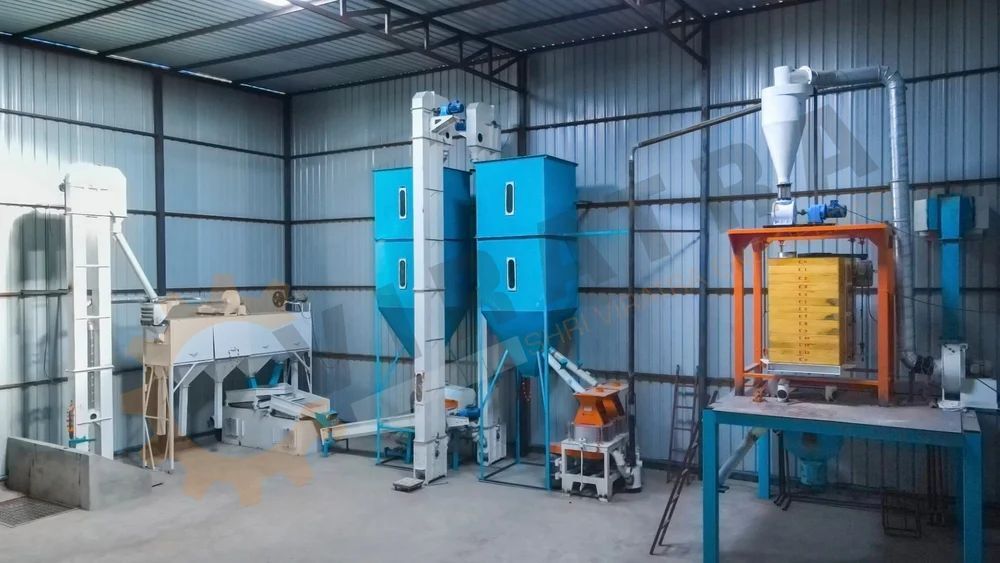
Tell us about your requirement

Price:
Quantity
Select Unit
- 50
- 100
- 200
- 250
- 500
- 1000+
Additional detail
Mobile number
Email


 Send Inquiry
Our Products


Plot no. 215, Sector - 68, IMT Industrial Area,Faridabad - 121004, Haryana, India

Mr Lalit Bhardwaj
(Proprietor)
Mobile :08045801678
 Send Inquiry
 Send SMS
 Call Me Free
Developed and Managed by Infocom Network Private Limited.


