Call us now :08045801678
 Send Inquiry
 Send Inquiry
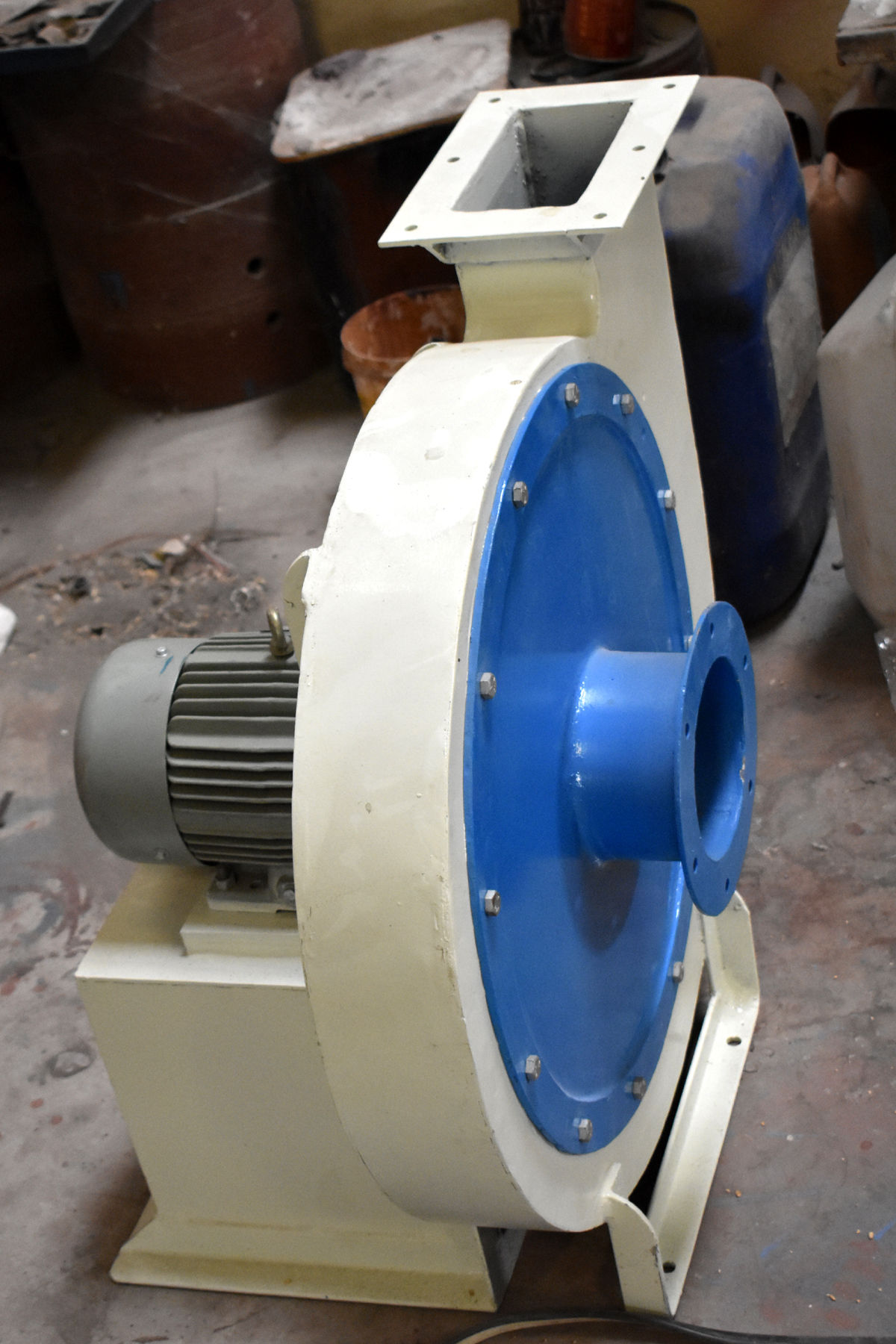
Centrifugal Blower Fan
Price 25000 INR/ Piece
MOQ : 1 Piece
Centrifugal Blower Fan Specification
- Product Type
- Centrifugal Blower
- General Use
- Airpressure
- Material
- Galvanized Steel
- Type
- Grain Processing Equipment
- Weight (kg)
- 100 Kilograms (kg)
- Computerized
- No
- Automatic
- Yes
- Control System
- PLC Control
- Cleaning System
- Seprater
- Voltage
- 415 Watt (w)
- Raw Material
- Wheat
- Color
- White
- Warranty
- 12 month
Centrifugal Blower Fan Trade Information
- Minimum Order Quantity
- 1 Piece
- Payment Terms
- Letter of Credit (L/C), Telegraphic Transfer (T/T), Cheque
- Delivery Time
- 1 Week
- Sample Available
- Yes
- Packaging Details
- as per client
- Main Export Market(s)
- Australia, Eastern Europe, South America, Western Europe, Africa, Central America, Middle East, Asia, North America
- Main Domestic Market
- All India
- Certifications
- ISO-9001 :2008
About Centrifugal Blower Fan
Our firm is well known in the market for the production of top grade centrifugal blower fan. The application of this amazing product includes cooling and heating systems, combustion, ventilation etc. In addition to this, the said product finds its usage in transporting materials and air conveyor systems. Our provided machine is highly efficient and works on high pressure air. Centrifugal blower fan also controls as well as vacuums dust or dirt. The said product helps in maintaining a constant as well as steady air flow. Keeping its qualities in mind, it can also be used for pneumatic conveying systems.
Key Features:
- High grade finish
- High efficiency
Product details
|
Is It Customized |
Customized |
|
Automation Grade |
Automatic |
|
Material |
Ms / Ss |
|
Color |
As Required |
|
Size (Inch) |
All Sizes |
|
Condition |
New |
|
After Sales Service |
Yes |
|
Electric Current Type |
Dc |
|
Warranty |
7-12 Months |
|
Fan Speed |
As Required |
|
Power Rating |
6-10 Hp,1 To 5 Hp,11-15 Hp |
|
Capacity (Ton/Day) |
5 To 10 Ton/Day |
|
Features |
Air Pressure |
Versatile and Efficient Performance
Capable of delivering customizable air volume and controlling pressure, this centrifugal blower fan adapts to various operational requirements. The advanced PLC control system allows seamless automation, while its robust build ensures consistent, high-performance air handling for grain processing and other industrial uses.
Durable Construction for Demanding Environments
Manufactured from high-quality galvanized steel, the fan is engineered to endure harsh operating conditions. Its automatic separator cleaning system helps maintain peak efficiency with minimal manual intervention, maximizing reliability over its service period.
FAQ's of Centrifugal Blower Fan:
Q: How does the centrifugal blower fan contribute to efficient grain processing?
A: This blower fan helps maintain proper air pressure and movement, which is crucial for processing grains like wheat. The controlled airflow ensures optimal drying, separation, and handling, directly enhancing process efficiency and product quality.Q: What is the typical installation process for this blower fan?
A: Designed for duct installation, the fan is integrated into existing air systems with relative ease. Its PLC control system facilitates straightforward configuration, ensuring that the fan works harmoniously within larger industrial setups.Q: When should the cleaning system be activated?
A: The automatic separator cleaning system operates as needed, based on the build-up detected within the fan assembly. This ensures consistent operation without regular manual cleaning, reducing downtime and maintenance efforts.Q: Where can this centrifugal blower fan be used most effectively?
A: While particularly suited for grain processing facilities, its versatile design allows use in any industrial setting requiring reliable air pressure management, such as manufacturing plants and supply warehouses.Q: What are the main benefits of using galvanized steel for the fan's construction?
A: Galvanized steel delivers excellent corrosion resistance and structural integrity, making the fan durable under demanding conditions. This results in a longer lifespan and less frequent need for repairs or replacement.Q: How is the air volume and speed of the fan adjusted?
A: The fan's air volume and speed can be controlled electronically through its PLC system, enabling operators to tailor performance (between 900 and 3000 RPM) to their specific process requirements.Q: What kind of warranty and after-sales support is provided?
A: Each unit comes with a 12-month warranty, covering manufacturing defects and operational issues. Support is available through the supplier network in India for quick resolution of concerns.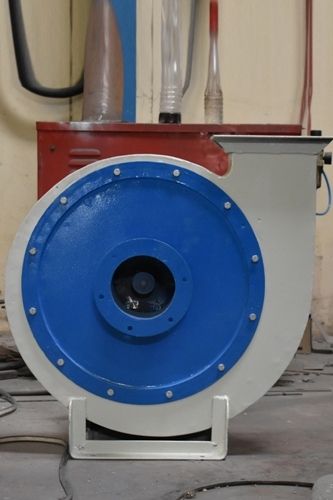
Tell us about your requirement

Price:
Quantity
Select Unit
- 50
- 100
- 200
- 250
- 500
- 1000+
Additional detail
Mobile number
Email


 Send Inquiry
Our Products


Plot no. 215, Sector - 68, IMT Industrial Area,Faridabad - 121004, Haryana, India

Mr Lalit Bhardwaj
(Proprietor)
Mobile :08045801678
 Send Inquiry
 Send SMS
Developed and Managed by Infocom Network Private Limited.


